Research
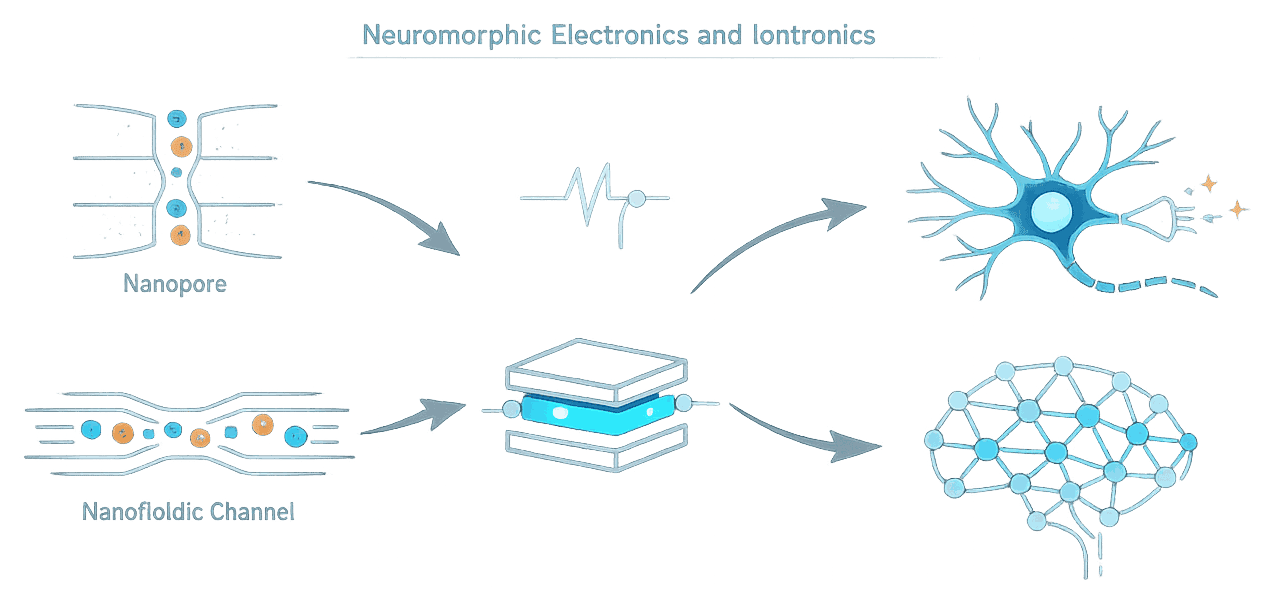
Neuromorphic Electronics and Iontronics
Developing artificial neurons and synapses based on electronic components and nanofluidic devices; designing neuromorphic circuits and systems.
Selected Publications
- Z. Li, N. H. Pham, S.-L. Zhang, C. Wen#. Memristive Behavior and Mechanism in Solid-State Nanopores. arXiv, 2026. https://doi.org/10.48550/arXiv.2608.04815. [physics.app-ph]
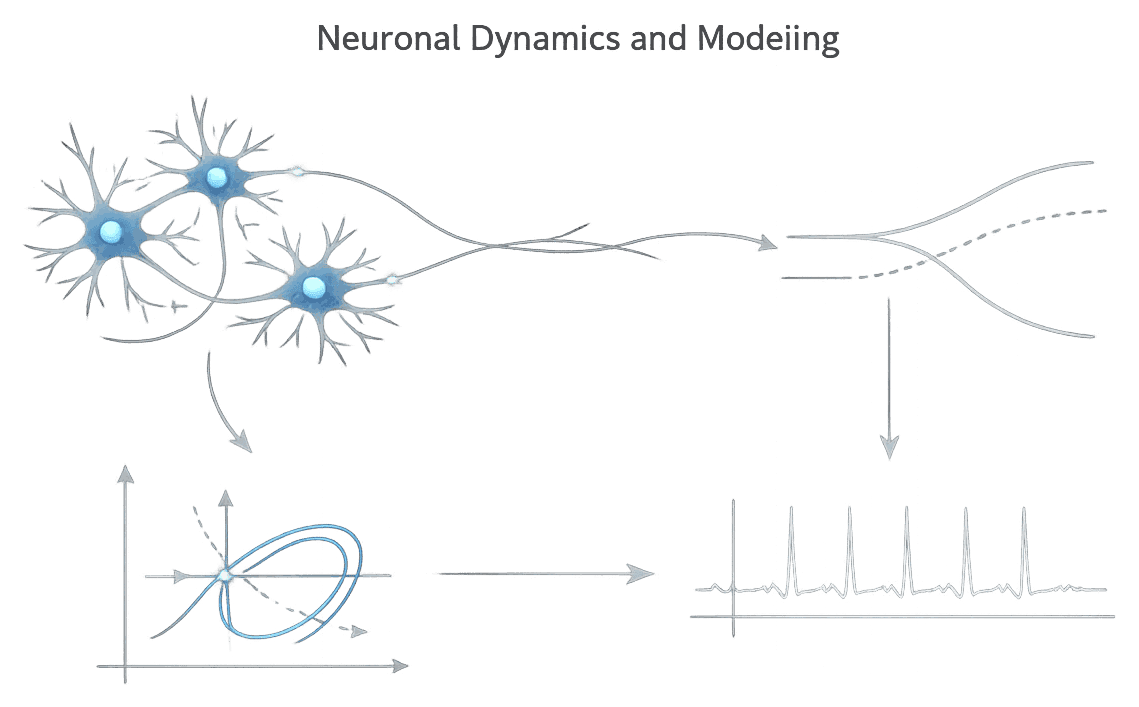
Neuronal Dynamics and Modeling
Modeling and simulating the dynamics of neurons, synapses, and neural networks using physical models and dynamical system theory.
Selected Publications
- Z. Li, S.-L. Zhang, C. Wen#. Bifurcation Analysis Framework of Spiking Neuron Models. IEEE Transactions on Circuits and Systems I: Regular Papers, 2026. https://doi.org/10.1109/TCSI.2026.3710811.
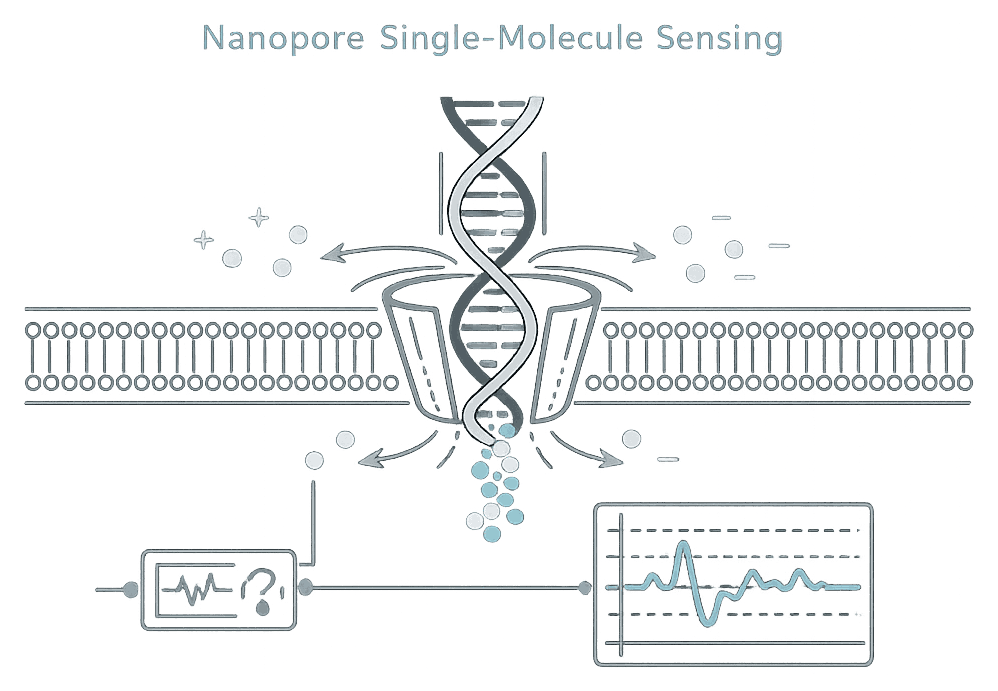
Nanopore Single-Molecule Sensing
Developing nanopore devices for biomolecule sensing, e.g., protein dynamics and biomarker detection.
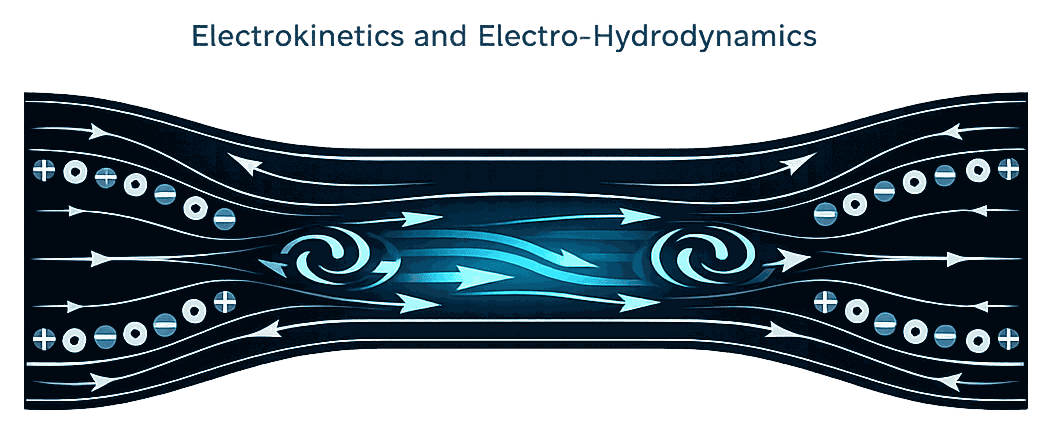
Electrokinetics and Electro-Hydrodynamics
Modeling and simulating electrolyte physics in nanoconfinement, including transport, multi-physics coupling, and strongly nonlinear interactions.
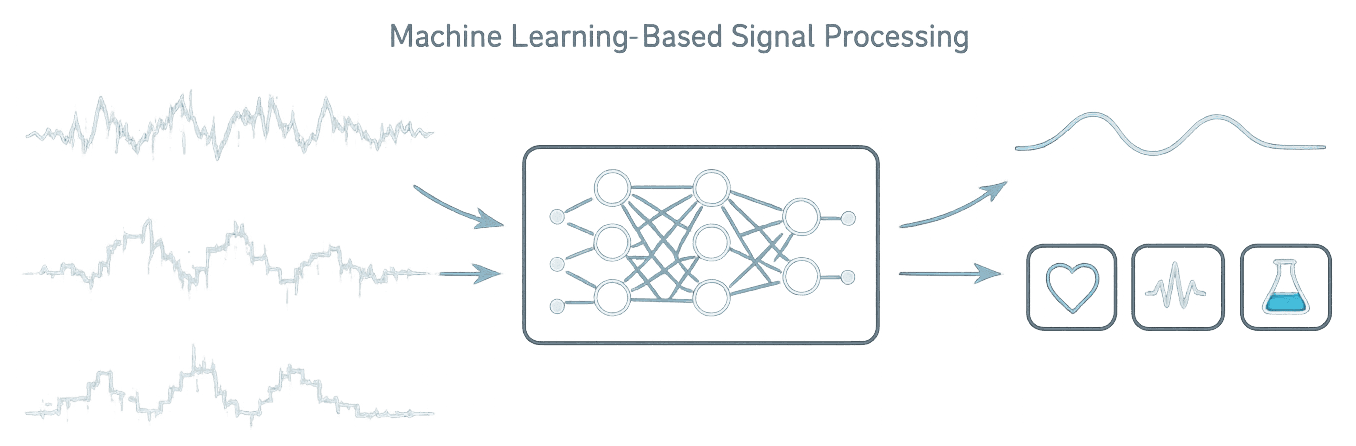
Machine Learning-Based Signal Processing
Understanding and developing machine learning algorithms for signal processing for single-molecule technologies.
Selected Publications
- X. Tong, C. Wen#. Denoise Stepwise Signals by Diffusion Model-Based Approach. Small Methods, 2026, e70964. https://doi.org/10.1002/smtd.70964.